

 admin
admin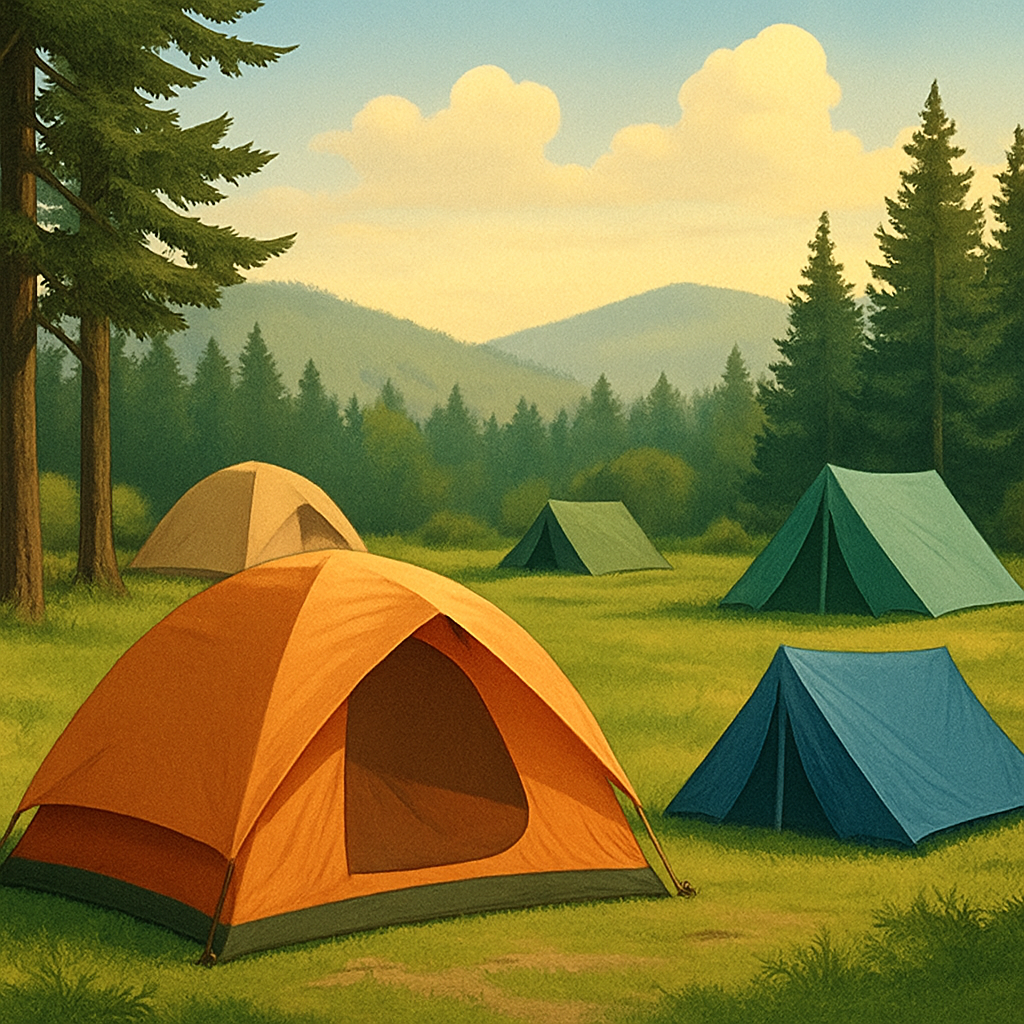
Table of Contents
1. Introduction to camping tents for three-season use
2. Key design features of three-season tents
3. Choosing between family and lightweight backpacking tents
4. Camping tents FAQ
5. Conclusion and quick buying checklist
Introduction to camping tents for three-season use
What camping tents are and who uses them
Camping tents are portable shelters for outdoor sleeping, weather sealing, and privacy. Three-season tents balance wind resistance and moisture management for spring, summer, and autumn, without the bulk of winter models. Typical users include families on weekend road trips, solo hikers testing lighter setups, and car campers who want reliable shelter near the vehicle. In this category, dome tents for camping and waterproof camping tents offer dependable setup and practical vestibules; lightweight backpacking tents provide a pared‑down option when speed and weight matter.
Target users and suitability
Families, hikers, and car campers.
Why three-season tents matter for year-round trips
Three-season tents matter for year-round trips because they protect against typical spring and fall weather—wind, rain, and cooler nights—while keeping weight and bulk reasonable. They balance interior space, durability, and ease of setup, making them a practical choice whether you are selecting the best family camping tents for large groups or waterproof tents for rainy camping. Look for taped seams, sturdy poles, good ventilation, and reliable zippers to maximize comfort without sacrificing portability; this is the sweet spot three season tents are built to deliver.
Weather protection and practicality
Wind, rain resistance, and durability.
Key design features of three-season tents
Three-season tents strike a balance between weight, livability, and weather protection across spring, summer, and autumn. They’re the workhorses for camping tents that see a mix of sun, rain, and wind. Understanding how design choices—pole geometry, ventilation, fabric technology, and vestibule layouts—translate into real-world performance helps you pick the right option for family trips or solo adventures with lightweight gear.
Three-season tent design and performance
Pole geometry (two- and three-pole systems) for stability
Two-pole systems provide a lean, light setup with straightforward geometry, making them attractive for easy setup tents for quick camping. They work well on calm sites and in mild weather. Three-pole designs add a third arc or a hub-supported leg, distributing loads more evenly and increasing rigidity in gusty conditions. For three-season tents used in exposed campsites, that extra pole translates to reduced sway and a lower risk of pole failure during wind bursts. When evaluating poles, consider material and connection: aluminum alloys (common 7001-series or 7075) offer strength with manageable weight, while clip-fit systems speed assembly compared with sleeve-in designs.
Ventilation and condensation control
Condensation is the common enemy of comfort in three-season tents. Look for a breathable inner tent paired with intelligent venting: mesh panels, zippered roof vents, and adjustable vents at the flyline. Double-wall configurations improve moisture management by allowing air to circulate between layers, while one-wall designs rely on continuous airflow to minimize moisture buildup. A practical setup tip: position two doors on opposite sides to create cross-ventilation, crack the vents on humid nights, and keep the fly slightly angled in dry conditions to promote air exchange without inviting rain inside.
Dome tents for camping and waterproofing
Dome shape for structural strength
The dome form uses intersecting curved poles to create a self-supporting shell. This architecture excels in wind resilience and distributes loads across multiple points, reducing the chance of localized pole failure. Inside, the dome’s rounded walls maximize usable space and shoulder room without a bulky footprint, making dome tents a reliable choice for family camping tents and other three-season models that need stable performance in variable weather.
Waterproof ratings, seam sealing, and guy-out points
Waterproofing hinges on a combination of fabric hydrostatic head rating, seam construction, and proper sealing. For three-season use, aim for a practical range around 1500–3000 mm depending on climate; rainy camps demand toward the higher end. Factory-taped or welded seams resist water intrusion, while field-ready seam sealants extend life between treks. Add rugged guy-out points and reinforced guylines to anchor the tent in gusty winds; use your stakes on solid ground and keep the fly taut to maintain a waterproof barrier.
Vestibules and interior space usage
Vestibules extend dry, weatherproof storage outside the living area, essential for gear in wet climates. A two-vestibule layout is common on family camping tents, providing separate entrances for mess and gear, while backpacking-focused domes may rely on a single vestibule for essentials. Inside, generous headroom and well-placed pockets keep sleeping areas uncluttered. When planning for a large group, prioritize vestibule area per occupant and floor space that accommodates a sleeping pad plus personal gear.
Transition: These design choices clarify how to tailor a shelter to the group and trip—whether you’re seeking the best family camping tents for large groups or lightweight backpacking tents for hiking trips.
Choosing between family and lightweight backpacking tents
Car camping with the family, or a multi-day hiking trip with friends, comes with a core decision: how much space, weight, and weather resilience do you actually need from your camping tents? The choice between family camping tents and lightweight backpacking tents shapes everything from packing lists to setup speed and comfort on the trail or at the site. For mixed groups or variable trips, understand the trade-offs early to avoid oversized packouts or chilly nights in inadequate shelters.
Family camping tents vs lightweight backpacking tents
Capacity considerations for large groups
When you’re coordinating a large group, family camping tents shine with generous floor plans, internal dividers, and multiple vestibules. Expect sizes from 6 to 12+ people and floor areas roughly 100–180 square feet for the biggest models. These domed, multi-room designs maximize living space and gear storage, making them ideal for car camping and extended stays. With such tents, you can designate sleeping zones, gear niches, and a common area for cooking or games. For large groups that still want some portability, plan to pair two smaller family tents rather than one colossal unit. For hiking trips, the “best family camping tents for large groups” are less practical; you’ll instead distribute occupants across several smaller tents to reduce fatigue and congestion.
Weight and setup differences
Family tents are built to endure frequent loading and loading again at the campground, so they’re heavier and slower to pitch. Typical car-camping family tents run in the 20–40+ pound range and rely on multiple poles, poles that can be heavy and awkward to handle. Lightweight backpacking tents, by contrast, prioritize quick setup and portability, with staged or single-wand pole systems and total weights often in the 2–8 pound range per tent, depending on capacity. If speed matters—easy setup tents for quick camping—the lightweight options win, but you sacrifice interior space and protection against wind in a pinch.
Durability vs compactness
Durability drives the family tent choice: tougher floors, reinforced seams, and robust rainflies reduce failure during wet seasons and gusty evenings. Yet that durability comes at the expense of bulk and compressibility. Backpacking tents trade some durability for compactness and packability, using lighter fabrics and streamlined silhouettes. They excel in damp or unpredictable weather when you can trust the waterproofing and the weatherproof seams, but heavy rain and rugged campsites demand careful setup and appropriate stakes.
Three-season tents for year-round camping and group trips
Weather versatility and winter-ready features
Three-season tents handle spring showers, summer storms, and autumn cold snaps. Look for full-coverage rainflies, sturdy pole structures, and vestibules that accommodate rain gear and packs. Good three-season designs balance ventilation with weather protection to minimize condensation on muggy nights. For winter-ready needs, some groups opt for four-season tents, but many three-season models perform well with extra guying and storm-worthy stakes in light snow. In rainy camping scenes, a waterproof tent with a hydrostatic head rating in the 1500–3000mm range provides solid protection when paired with a quality groundsheet and vestibule space.
Trade-offs between space, weight, and price
Three-season tents for groups tend to be larger and heavier than solo or couple backpacks, yet lighter and more affordable than true four-season setups. Expect group-friendly options to sit in the mid-range for price, with interior volumes adequate for shared sleeping pads and gear, but still lighter and easier to manage than heavy winter-ready shelters. If space is a premium, you’ll accept heavier weight or higher price for a more robust frame and weatherproof fabric. For year-round camping, prioritize models that balance airflow with weather resistance, then tune your gear to the anticipated conditions.
Camping tents FAQ
These FAQs help you choose and use camping tents for varied conditions, from family trips to ultralight hikes, focusing on seasonality, waterproofing, and weight.
What makes a tent three-season vs four-season?
Three-season tents are built for spring through fall, prioritizing lighter weight and airflow for mild rain. Four-season tents are stronger, with sturdier poles, extra guying, and full-coverage rainflies to handle winter storms. For family camping tents, many prefer three-season models unless snow is expected. Most dome tents for camping fall into the three-season category, offering good balance of space and setup speed.
Tips
- For family use, prioritize durability and ventilation in three-season tents; upgrade to four-season if winter trips are likely.
Are waterproof camping tents worth it for rainy conditions?
Waterproof camping tents reduce leaks in persistent rain. Look for fully taped seams, a bathtub-style floor, and rainflies that shield doors. Hydrostatic head ratings around 1500-2000 mm suit typical rain; 3000-5000 mm adds protection in heavy downpours. Even with waterproof tents, proper staking and ventilation prevent moisture buildup.
Tips
- Seal seams on arrival and store dry to extend life.
How do I choose lightweight backpacking tents for hiking trips?
Focus on weight, packed size, and seasonality. A solo tent under 2 lb is realistic; a two-person setup under 3 lb is ideal for longer treks. Favor freestanding dome tents for quick setup and stability on uneven ground. If year-round trips are planned, opt for three-season tents; for winter, four-season models offer extra resilience.
Tips
- Set up and repack at home to verify fit and ease before hitting the trail.
- Aim for a small vestibule to store gear without crowding the sleeping area.
Conclusion and quick buying checklist
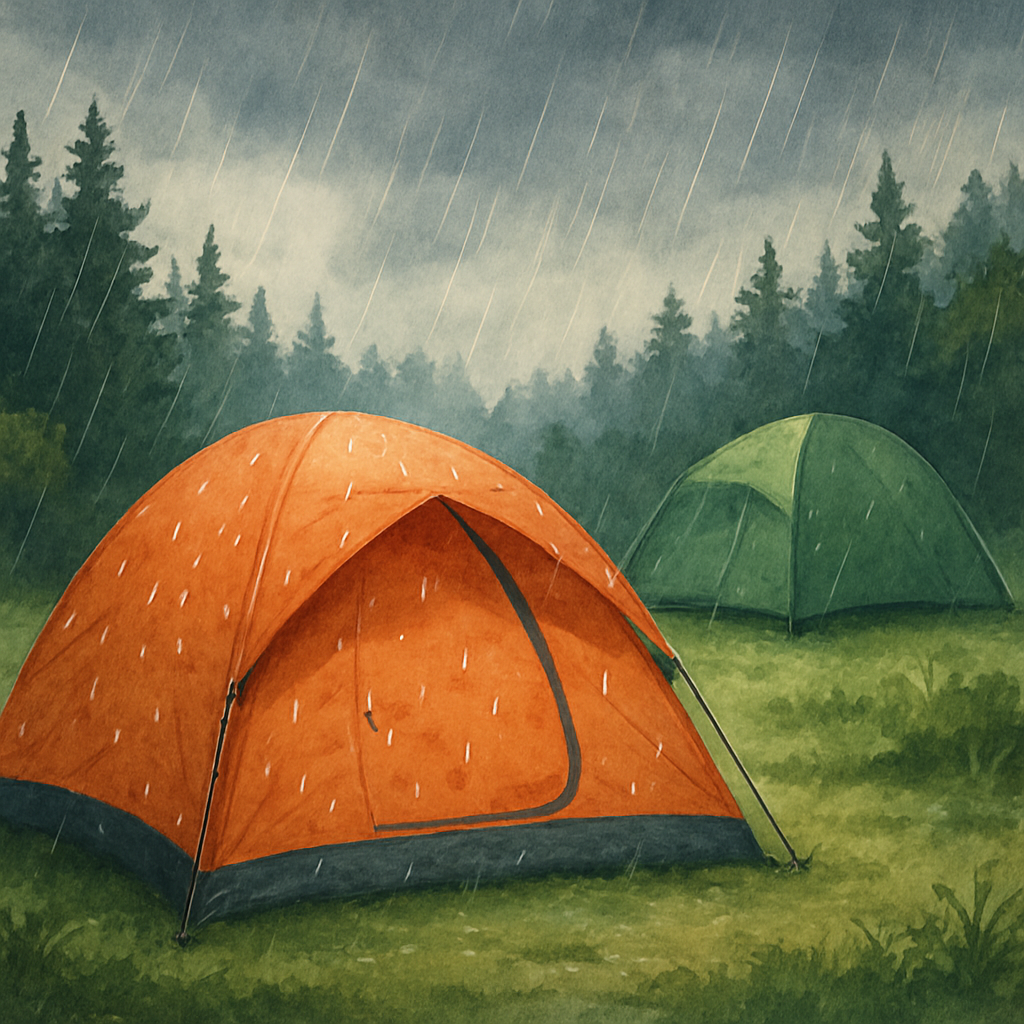
For most campers, the sweet spot for Camping tents lies in three-season designs that balance weather protection, interior space, and ease of setup. These tents handle gentle rain, breezy evenings, and moderate humidity, while staying light enough for quick trips or weekend car camping. When you compare dome tents for camping, waterproof camping tents, and family camping tents, you’ll see how capacity, fabric, and setup reliability determine how well a model will serve your group. Use this section to lock in criteria and translate them into real purchases—from lightweight backpacking tents for hiking trips to easy setup tents for quick camping.
Key takeaways for selecting three-season tents
Match capacity to group size and gear
Match the tent’s stated capacity to both body count and gear load. For a family of four with backpacks and overnight gear, a 6- to 8-person three-season tent often provides usable interior space, two vestibules for boots and packs, and headroom to move around. For a two-person trek, a compact 2- to 3-person lightweight backpacking tent keeps weight manageable and still leaves room for sleeping pads and a shared jacket stash in the vestibule. If you’re planning for large groups, consider a tent design that can be split into two compartments or a family tent with a central living area and separate bedrooms. This approach aligns with the long-tail goal of finding the best family camping tents for large groups while preserving comfort.
Prioritize waterproofing, durable fabric, and reliable setup
Waterproof performance matters most in rainy camping. Look for a rated waterproof head height between 1500 and 3000 mm (HH) and a bathtub-style floor that extends up walls to guard against splash. Seams should be taped, and the fly should fully cover the vestibules for rain protection. Durable fabrics matter too: 68D–70D nylon or polyester with ripstop offers abrasion resistance without excessive weight. For setup reliability, choose models with color-coded poles, pre-attached guylines, and either a freestanding dome or hubbed pole system. Easy setup tents for quick camping succeed when you can deploy them in under five minutes without wrestling with tensioning.
Weight considerations influence travel style
In backpacking, prioritize lighter weights over maximum space—think 2–5 pounds for a 2-person setup. For family car camping, you can accept extra pounds in exchange for more interior volume and sturdier fabrics. A practical rule: aim for a per-person tent weight of 2–3 pounds for true backpacking setups, versus 6–12 pounds per person for family-oriented models. This balance ensures you’re choosing three-season tents that fit your travel style without compromising comfort.
How to use this guide for future trips
Assess seasonality and expected weather
Evaluate the climate windows you’ll camp in. Three-season tents excel in spring through fall and handle regular rain and wind, but harsh winter snow requires a dedicated four-season or mountaineering tent. If you anticipate frequent downpours, prioritize waterproof tents with robust fly coverage and sealed seams, plus protected vestibules to dry gear before entry. For mixed climates, a well-ventilated shelter paired with a full-coverage fly prevents condensation while keeping rain out.
Consider weight vs comfort for your travel style
Your travel approach should drive the choice between portability and space. If trips are mostly weekend drives with a single vehicle, heavier family tents with multiple rooms pay off in comfort and durability. If you’re trekking light between campsites, lean toward lighter, faster-setup dome tents that still provide reliable weather protection. Align your choice with how you pack, how far you travel, and how many nights you’ll spend inside the tent, ensuring you don’t sacrifice sleep quality for marginal gains in portability.