
 admin
admin
Table of Contents
1. Data-driven guide to the best pop up tent for family camping
2. Core features that influence performance
3. Model comparisons and practical picks
4. pop up tent FAQ
5. Conclusion and practical recommendations
Data-driven guide to the best pop up tent for family camping
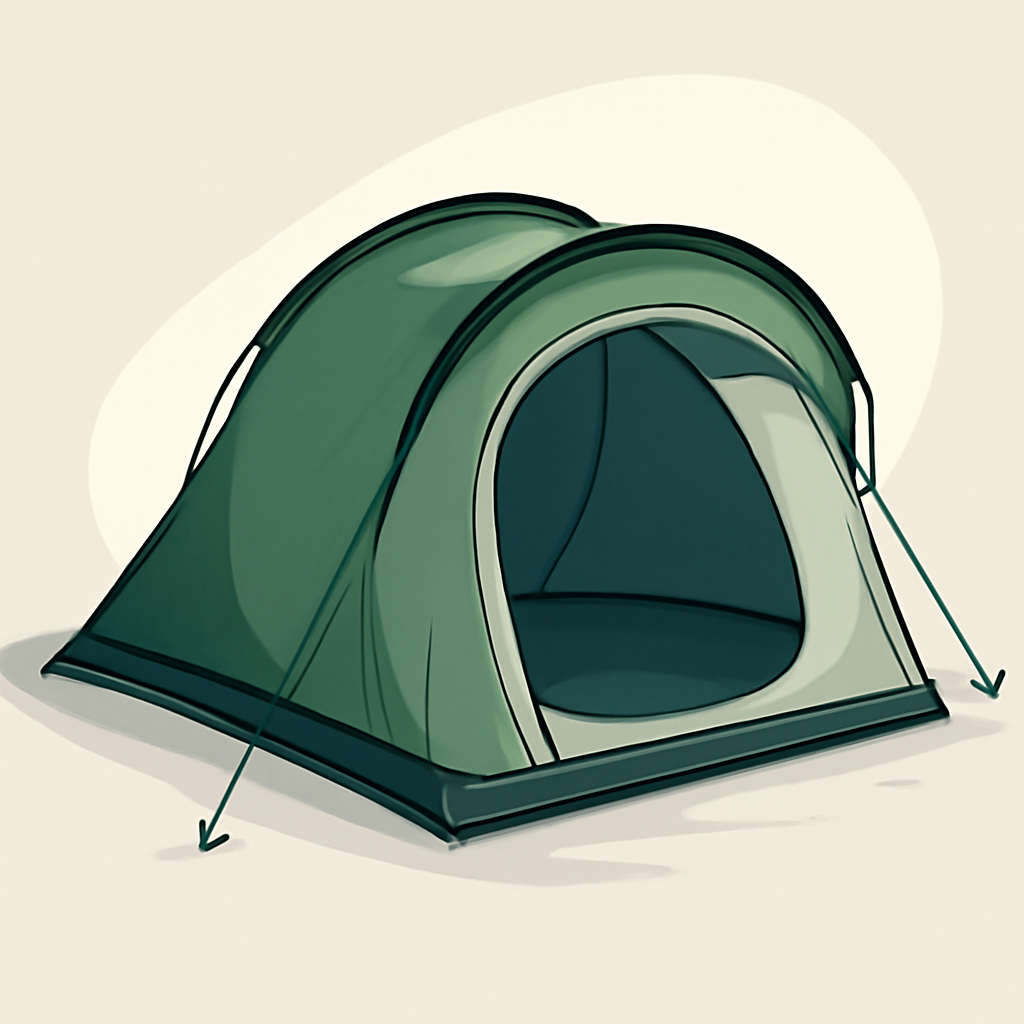
Data-driven shelter selection speeds family trips and reduces chaos at the campsite. A well‑chosen pop up tent lets kids and adults settle in quickly, while built‑in vestibules and shared interior space simplify packing and drying gear. Whether you call it an instant pop up tent, folding pop up tent, or collapsible camping tent, reliability matters more than novelty.
Key criteria for an easy setup tent are space, weather resistance, and build quality. Prioritize interior volume and peak height so gear and people fit without crowding; verify seams and floor durability, and ensure water resistance for your usual campsites. Brand labeling varies, so understand terms to compare setup methods and packed size.
Why a pop up tent fits family trips
Promotes faster shelter setup for kids and adults, with built-in vestibules and shared interior space.
Faster setup for kids and adults
Saves time at the site, reducing stress.
Built-in vestibules and shared interior space for group packing
Vestibules store gear; shared space streamlines packing.
Key data-driven criteria for choosing a family tent
Interior volume and headroom matter for comfort; weather resistance, seam quality, and floor durability.
Interior volume and headroom matter for comfort
Aim 60–70 in peak height; 60–100 cu ft for four.
Weather resistance, seam quality, and floor durability
Look for taped seams and a sturdy floor.
Understanding terms: pop up tent, instant pop up tent, folding pop up tent
Brand labeling varies; know what to compare.
Model labeling clarity across brands
Check how brands label and compare features.
Compare setup methods and packed size
Watch videos; note packed dimensions.
Core features that influence performance
Choosing the right pop up tent hinges on a blend of space, durability, and setup practicality. For family trips, backpacking escapes, or group camping, these core features translate into real-world comfort, weather resilience, and speed of deployment. When you’re weighing instant pop up tent options, focus on interior space, build quality, and how the setup works in practice.
Size, layout, and comfort for families
Interior area in square feet and recommended occupancy
- Interior footprint typically ranges from 40–60 sq ft for a compact family of 4–6, up to 60–90 sq ft for 5–7 with gear, and 90–120+ sq ft for larger groups. Aim for a model that offers enough floor space to sit up, change clothes, and sleep with some gear inside.
- For real-world use, a 6-person family tent often sits around 70–90 sq ft of floor area with a usable height of 4–6 ft, giving comfortable sleeping zones and interior pockets for small items.
Vestibule size for gear and muddy boots
- A single vestibule of 15–25 sq ft covers shoes, boots, and a couple of backpacks.
- Larger family tents frequently offer 25–40 sq ft per vestibule, sometimes with two vestibules for easier gear access and mud-free entry from either side.
- If you expect frequent rain or messy outdoors, prioritize double vestibules or a vestibule with a 40+ sq ft total coverage to keep gear dry and organized.
Durability, materials, and weather resistance
Reinforced seams, rainfly coverage, and floor PU rating
- Look for fully taped or welded seams on rainfly and floor panels to minimize water ingress.
- Full-coverage rainfly should extend well past doors and fly over vents to shed rain as you move in and out.
- Floor coatings in the 1500–3000 mm hydrostatic head (HH) range provide solid water resistance for campsite puddles and damp ground. For wetter climates, target upper-end numbers and seam sealing.
Pole materials (aluminum vs fiberglass) and fabric quality
- Aluminum poles (lightweight, stiff, durable) are ideal for wind-prone sites and frequent pitch experiences; look for 6061-T6 or similar alloys and 9–12 mm diameter segments.
- Fiberglass poles are cheaper and can flex under wind, which may save the tent from, say, shock failures but at the cost of weight and stiffness.
- Fabric quality matters: 70–150D nylon or polyester with a durable polyurethane or silicone coating improves abrasion resistance and long-term performance. Ripstop weaves add tear strength for family tents prone to rough handling.
Setup speed and ease of use
Auto-deploy mechanisms or color-coded poles speed up setup
- Auto-deploy (instant pop up) frames unfold with a single action, reducing setup time from minutes to seconds in calm conditions.
- Color-coded poles and clips accelerate assembly, especially for first-time users or when pitching in poor light—reducing misthreads and component confusion.
Clear tensioning adjustments reduce failure risk
- Integrated, adjustable guylines and pre-attached tensioners keep the fly taut and the floor flat, minimizing sag and water pooling.
- Quick-release buckles or tensioning straps allow rapid fine-tuning after a windy night, preserving tent shape without iterative guessing.
With these core features in mind, you can compare models for the best fit—whether you’re seeking a best pop up tent for family camping, a lightweight pop up tent for backpacking, or a spacious option for group camping. This groundwork sets you up for targeted model comparisons and practical picks.
Model comparisons and practical picks

A pop up tent simplifies outdoor nights by prioritizing quick setup, reliable shelter, and easy transport. When evaluating options, focus on capacity and space, weather resistance, and how the packed size fits your car, pack, or trail ultralight goals. The following sections translate practical thresholds into clear picks for three common use cases, with real-world benchmarks you can apply to any instant pop up tent or folding pop up tent.
Best pop up tent for family camping
For family trips, space and organization beat sheer speed alone. A model in the 6–8 person range provides enough room for sleeping zones and gear without invading the living area.
Capacity and sleep zones
- Look for tent capacity in the 6–8 person range to accommodate parents, kids, and occasional guests. Interior layouts that separate sleep areas and a central living zone help reduce morning clamor and keep everyone organized.
Built-in vestibule for gear
- Check for built-in or accessible vestibules that offer weather-protected gear storage and a simple mudroom area. A vestibule reduces tent clutter and makes it easier to stash backpacks, boots, and extra blankets without crawling over other campers.
Portability and easy transport
- Prioritize models marketed as portable camping tents with a manageable packed size. Favor a carry bag that compresses down near trunk-size footprints and a simple pole design that lowers the chance of field repairs after a trip.
Waterproof pop up tent with vestibule
Weatherproofing is the top concern for rainy-season trips. A sturdy rain shelter that keeps the interior dry translates directly to sleep quality and overall comfort.
Rain protection and hydrostatic head
- Target a hydrostatic head of 1500–3000 mm. This range handles light to heavy rain with less permeability through the canopy, keeping occupants drier during sudden downpours.
Seam integrity and groundsheet durability
- Inspect taped seams and a durable groundsheet. Look for factory-sealed seams and a floor that uses welded or reinforced material to resist abrasion from uneven ground and ground moisture.
Vestibule size for gear and entrance protection
- A roomy vestibule (even partial) adds weatherproof storage and a dry entry path. This is crucial for keeping wet gear separate from sleeping zones and for maintaining interior dryness during storms.
Lightweight pop up tent for backpacking
When the goal is to carry less weight, prioritize minimalist design and compact packaging without sacrificing shelter quality.
Weight targets and backpacking balance
- Aim for sub-15 lb total weight when mixed with backpacking gear. Even with stakes and guylines, a lean layout makes most instant or folding pop up tents compatible with multi-day treks.
Compact carry bag and simplified poles
- Favor a compact carry bag and a streamlined pole system. Fewer, lighter poles speed setup once you camp and reduce snag hazards during transit.
Packability and easy assembly
- Choose a tent with a straightforward folding/ popping sequence and intuitive color-coding or labels. An easy to assemble pop up camping tent minimizes fiddling on uneven ground and saves time when you finally reach camp.
pop up tent FAQ

Pop up tents simplify camping logistics by delivering quick deployment and compact packing. Here are practical answers on setup speed, weather reliability, and family sizing to help you choose confidently.
How easy is it to set up a pop up tent?
Most instant pop up tents deploy by removing them from the bag, giving a gentle shake, and letting the frame snap into place. Compact models typically set up in 30–60 seconds; larger folding pop up tents may take 1–2 minutes to stake corners and tension the fly. Clear the site, lay down a groundsheet, and keep gear outside the inner space until it’s secure. Practicing at home speeds the process, and look for color-coded hubs and one-piece frames to simplify assembly. This approach makes easy-to-assemble pop up camping tents accessible for families and solo travelers alike.
Are pop up tents waterproof and wind-rated?
Quality waterproof pop up tents with sealed seams and a full-coverage rainfly perform better in rain when pitched on level ground. Look for hydrostatic head ratings around 1500–3000 mm; a vestibule helps keep gear dry. In wind, stake firmly, use guylines, and orient vents to reduce lift. For heavier weather, choose models with robust, ripstop fabrics and double-stitch seams. Even with good ratings, avoid exposed locations during storms.
What size family is best supported by a pop up tent?
For family camping, a 4–6 person model is the sweet spot. It balances space and portability and often includes a practical vestibule. If you need more room for gear or group camping, a spacious pop up tent for group camping can work, but consider packing size and weight. For backpacking trips, a lightweight pop up tent for backpacking designed for 2–3 people keeps things manageable. Always check floor area and headroom to ensure it’s easy to assemble pop up camping tent for your needs.
Conclusion and practical recommendations
When selecting a pop up tent for family trips, prioritize setup speed, protection from the weather, and smart use of space. The right model adapts to your style—car camping, trips with kids, or lightweight family adventures—and reduces the friction of pitching so you spend more time enjoying the outdoors. The best options balance quick assembly with durable construction, while offering enough vestibule space to keep gear dry and accessible.
Top picks by camping style
Car camping: reliable durability, spacious layout, vestibule for gear
Choose a tent with a sturdy, freestanding frame and a roomy interior that fits two cots plus gear. A dedicated vestibule protects boots, packs, and muddy items, keeping the sleeping area uncluttered. Look for rugged fabrics, sealed seams, and a stable, auto-erect design that holds up to frequent car trips and variable weather.
Camping with kids: ease of setup and ventilation
Prioritize models that deploy quickly, with intuitive folds and multiple doors for easy in-and-out. Good ventilation reduces condensation and keeps air fresh in warm months. A taller peak, clearer layout, and a front vestibule for play space or quick access to blankets make family nights more comfortable.
Portable camping tents: balance weight with roominess for family trips
For frequent movers between sites, target lighter packs without sacrificing interior space. Seek compact packed size, durable materials, and a design that remains easy to set up after a long day of hiking. These tents shine when you need a spacious yet portable option for group trips or longer weekends.
Choosing criteria at a glance
Group size vs. tent capacity, weather rating, and vestibule space
Match tent capacity to your group—add 1–2 person headroom for gear and comfort. Opt for a 3-season rating for spring through fall use, and ensure the vestibule can store backpacks and footwear for every camper.
Weight, portability, and ease of assembly
Aim for the light end of the 4–8 person range when backpacking or moving sites frequently; for car trips, roominess may trump weight. Favor a folding pop up tent that can be pitched in minutes and stored compactly, with clear color-coding and simple steps for quick setup.
Quick-start checklist for family trips
Pre-trip setup test and practice folds
In a backyard trial run, practice opening and closing the tent until the action is familiar to all, especially kids. A quick drill reduces misfolds and helps prevent damage to poles or fabric.
Pack list: stakes, guylines, footprint, and repair kit
Bring extra stakes, guylines, a ground footprint, and a small repair kit for tears or zipper snags. This ensures readiness for unexpected winds or rough terrain.
Maintenance: dry after use, store in a cool, dry place
Dry tents completely before packing to prevent mold. Store in a cool, dry area away from direct sunlight to extend fabric life and keep seals effective for seasons to come.