
 admin
admin
Table of Contents
1. Data-Driven review: pop up tent for family camping
2. Understanding pop up tent designs and features
3. Choosing the best pop up tent for your family
4. pop up tent FAQ
5. Conclusion: practical takeaways for selecting a pop up tent
Data-Driven review: pop up tent for family camping

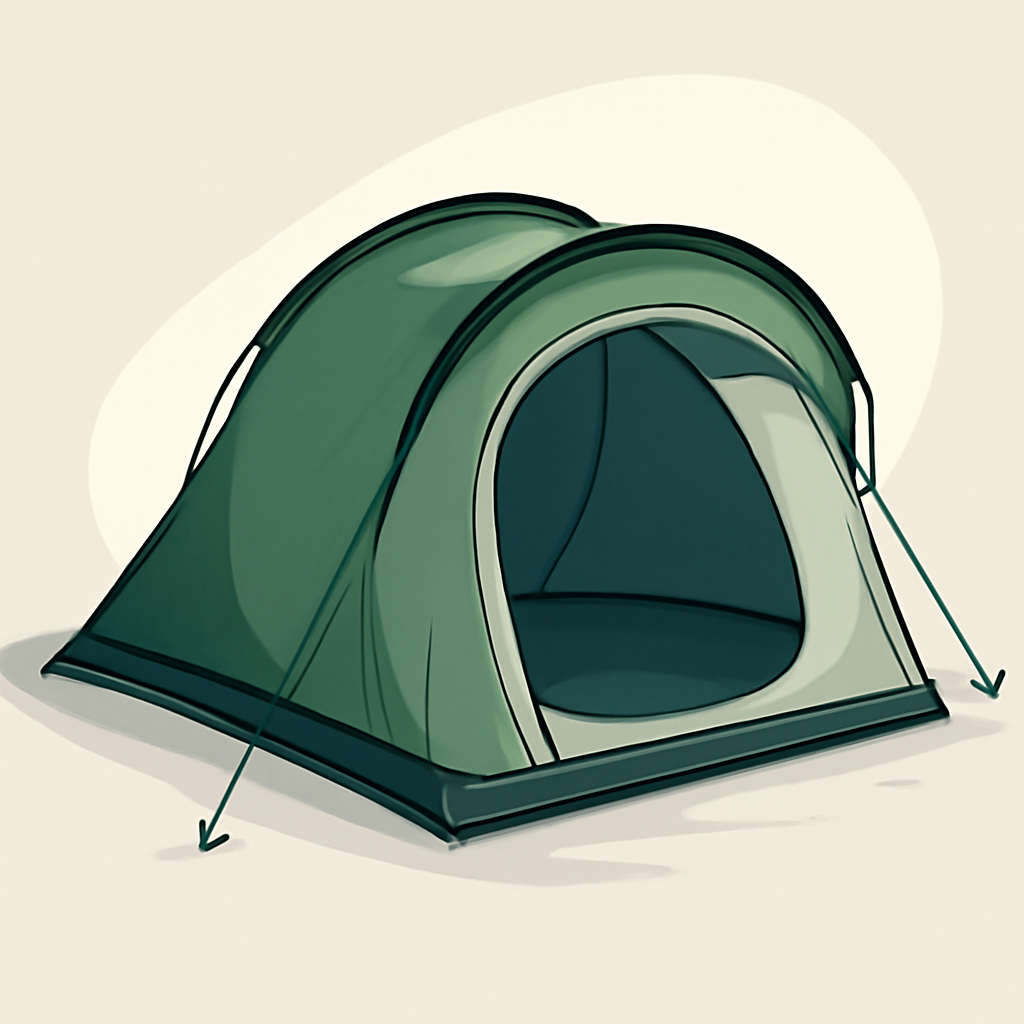
As family trips demand space, comfort, and reliability, the pop up tent delivers a practical balance of speed and shelter. The main advantage is reduced setup time, freeing minutes for meals, games, and exploration. A lightweight camping tent that pops open in seconds lowers frustration in rain or wind and keeps pitching with kids safer and calmer. For beach and campsite sessions alike, easy access, generous interior space, and a compact, portable frame support a smoother, more focused outing.
Why a pop up tent matters for family trips
Time-saving setup
The pop up tent design reduces setup time, freeing minutes for activities.
Safer, faster pitching
A quick-deploy shelter minimizes wind frustration and keeps kids safer during pitching.
Key terms and features to know (instant pop up tent, folding tent, portable shelter)
Instant pop up tent
Unfolds and stands with minimal effort for rapid deployment.
Folding tent
Affects pack size, steps, and durability.
Portable shelter
Features like rainflies, vestibules, and ventilation matter.
Understanding pop up tent designs and features helps you compare models for family needs—from lightweight pop up tent for backpacking to affordable pop up tents for camping trips—and pick a quick setup tent that travels well.
Understanding pop up tent designs and features
Understanding how a pop up tent is built helps you balance speed, weight, and space for any trip. When you’re choosing between models, consider how you’ll use it, how much you can carry or fit in your car, and which features matter most for comfort and reliability. The guidance below focuses on practical decisions you’ll face, from beginner-friendly setups to lightweight options for longer adventures.
Instant pop up tent vs folding tent
- #### instant pop up tents offer the fastest setup, often ready in under a minute. They’re a strong choice if you want an easy setup pop up tent for beginners or you’re staging a quick beach session, but the packed footprint tends to be bulkier and heavier.
- #### folding tent designs often trade some setup speed for lighter packs and potentially greater durability. When backpacking or when trunk space is tight, folding frames can shrink to compact sizes and still hold up in wind with robust poles.
| Aspect | Instant pop up tent | Folding tent |
|---|---|---|
| Setup time | 30-60 sec | 2-4 min |
| Packed size | Bulkier | More compact |
| Weight range (3-4p) | ~6-12 lb | ~5-9 lb |
Lightweight options for portability
- #### Prioritize models labeled as lightweight camping tent or lightweight pop up tent for backpacking when you plan multi-day trips. You’ll often find 6-8 lb tents that sleep 3-4, versus 9-15 lb for more traditional family tents.
- #### Even family-friendly options come in lighter materials if you’re constrained by car trunk space. For the best pop up tent for family camping, look for aluminum or fiberglass poles, breathable fabric, and a compact carry bag.
Ventilation and shelter features
- #### Look for multiple mesh panels and adjustable vents for hot weather. A well-ventilated interior reduces condensation and keeps sleeping areas cooler.
- #### Check rainfly coverage, vestibule size, and UV protection for all-season use. A full-coverage rainfly plus a vestibule expands storage for gear, while UV-rated fabrics help protect against sun exposure on longer trips.
With these criteria in place, you’re ready to evaluate options and move toward Choosing the best pop up tent for your family.
Choosing the best pop up tent for your family
Choosing the right pop up tent means prioritizing space, layout, and reliable setup. For family camping, the shelter should balance room to sleep and a shared area, while still packing down compactly for easy transport.
Assess family size and space requirements
Details
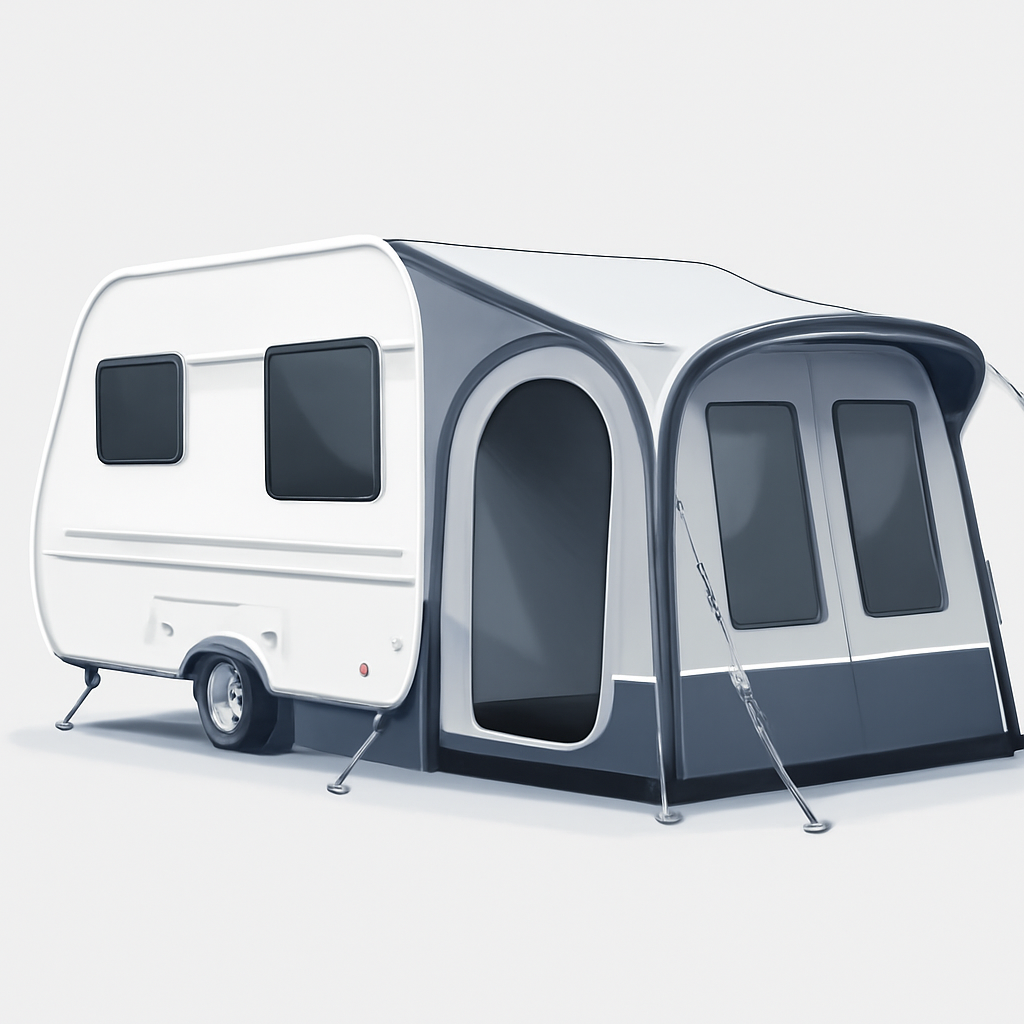
- Choose a model with adequate floor area and two-room layouts if needed (e.g., for two sleeping areas and a common space). A two-room design helps separate sleeping mats from gear and provides a communal area for rain delays.
- For larger groups, aim for higher interior height to accommodate sleeping mats and gear. Taller ceilings reduce the feeling of crowding and improve airflow.
Practical sizing guidance
- 4-6 people: aim for about 80-100 sq ft of floor space (roughly 9×9 to 10×10 ft) and a ceiling height of 5 ft or more.
- 6-8 people: target 110-140 sq ft (about 12×10 ft or larger) with interior heights around 6 ft if possible.
Best value: affordable pop up tents for family camping
What to look for within budget
- Durable fabrics and weather protection: look for polyester 150D-300D with a polyurethane coating and taped seams; rainfly should cover effectively to keep gear dry in typical weekend rain.
- Weather resistance indicators: rainfly, seam sealing, and a reasonable hydrostatic head (1200-2000 mm) provide practical protection without paying a premium.
- Warranty and reliability: prefer models offering at least a 1-year warranty and check user reviews for real-world performance over multiple trips.
Quick decision criteria
- Weight and pack size: families often tolerate 15-25 lbs for clean storage and easier car-camping setups.
- Included extras: stakes, reflective guy lines, and a durable carry bag extend value and reduce the need for upgrades.
Ease of setup for beginners
Features that speed setup
- Pre-attached poles and color-coded clips simplify assembly; some options are marketed as instant or easy setup tents, which reduces the steps required at the campsite.
- Internal sleeves or a hub frame can keep poles aligned, minimizing fiddling and frustration.
Practice routine
- Practice at home to reduce surprises at the site: unpack, unfold, stake corners, and extend the rainfly in a dry space.
- Time yourself: aim for a setup in under 5 minutes once you’re familiar with your model, and keep a simple checklist in the carry bag for quick reference.
pop up tent FAQ
Pop up tents streamline camping with instant deployment, easy setup, and compact packing. If you’re choosing among models marketed as instant pop up tents, easy setup tent, lightweight camping tents, or portable shelters, this guide covers how they work, beach use, and longevity for all seasons.
What is a pop up tent and how does it work?
A pop up tent uses an internal frame with pre-attached poles that spring into shape when released from the bag. You unfold, stand it, and stake the corners to tension the fabric. A quick shake settles the structure.
Quick setup tips
- Practice at home to verify deployment properly.
- Unfold on flat ground, stake corners first.
- Check that poles aren’t twisted before use.
Are pop up tents suitable for beach camping?
Yes, a beach-ready model with UV protection and water resistance suits beach camping. On windy shores, secure with sand anchors, and use a footprint to protect the floor. A quick setup saves time.
Beach-ready tips
- Use sand anchors or bags designed for beach use.
- Keep canopy taut and bring a footprint for protection.
How do I maintain a lightweight pop up tent for longevity?
Keep it clean and dry after trips; store loosely in a breathable bag, and inspect components regularly.
Maintenance checklist
- Dry completely before packing.
- Inspect and lubricate hinges and zippers as needed.
practical takeaways for selecting a pop up tent

Choosing a pop up tent means balancing quick setup, comfort for the family, and durability in wind and rain. Focus on models that blend an easy setup with enough interior space to feel relaxed on longer trips, whether you’re beach camping or cruising into forest campsites. The following practical guidance translates common buying cues into actionable steps you can apply this season.
Key recommendations for family-friendly models
Interior height and vestibule space
For family comfort, target a peak interior height around 75-78 inches and sizable vestibules that add 12-20 square feet of covered storage per side. A taller silhouette lets adults move around without ducking, and roomy vestibules keep muddy boots, backpacks, and strollers out of the sleeping area.
Two-room or multi-entrance designs
Two-room or hybrid layouts separate sleeping from living space, which is ideal for parents versus kids, or late-night diaper changes without waking others. Multi-entrance designs cut down foot traffic and improve accessibility when the family needs to move in and out frequently.
Pole diameter and fabric denier for wind durability
Durability matters in gusty conditions: choose aluminum poles in the 9.5-12 mm class for stiffness without weight penalties. Fly and floor fabrics in the 150D-300D denier range with 1500-3000 mm waterproof ratings provide better wind resistance and longer seam life. Check seam taping and sturdy guylines as standard features.
Maintenance tips to extend tent life
Dry the tent completely before storage to prevent mold
After a trip, set up the tent in shade or indoors and let it dry fully—ideally 24-48 hours with all doors open for airflow. Don’t stash damp gear in a bag; moisture accelerates mildew and odor buildup.
Clean fabrics with mild soap and water; avoid harsh detergents
Gently wash with mild soap and a soft brush, then rinse thoroughly. Avoid bleach and aggressive detergents that can degrade waterproof coatings. Let it air-dry completely before folding for storage.
Store loosely in a breathable bag or on a shelf away from extreme heat
Skip cramming the tent into a tight stuff sack after every trip. Use a breathable bag or store flat on a shelf where heat won’t degrade fabrics. Periodically inspect for mildew even during off-seasons.
Quick-start checklist before your next trip
Practice pitching at home to ensure smooth setup
Set up the tent in a safe area to time yourself, including staking, guylines, and rainfly. A 3-5 minute full setup on a calm day builds confidence and reduces site delays.
Pack extra stakes, repair kit, and replacement guylines
Carry 6-8 spare stakes for varied ground conditions, plus a compact repair kit and extra guylines. Include patch kits for fabric tears and seam sealant for a quick fix on the road.
Confirm rainfly, mud mats, and vestibule setup before departure
Do a final walk-through: ensure the rainfly is correctly attached, lay down vestibule mats for dry entry, and verify zippers operate smoothly. A pre-trip check prevents weather-induced delays and keeps your beach or forest plans on track.