
 admin
admin
Table of Contents
1. Caravan extension tent: data-driven guide to choosing & sizing
2. Sizing and product options for caravan extension tent
3. Practical selection criteria for a caravan extension tent
4. caravan extension tent FAQ
5. Conclusion and next steps
Caravan extension tent: data-driven guide to choosing & sizing

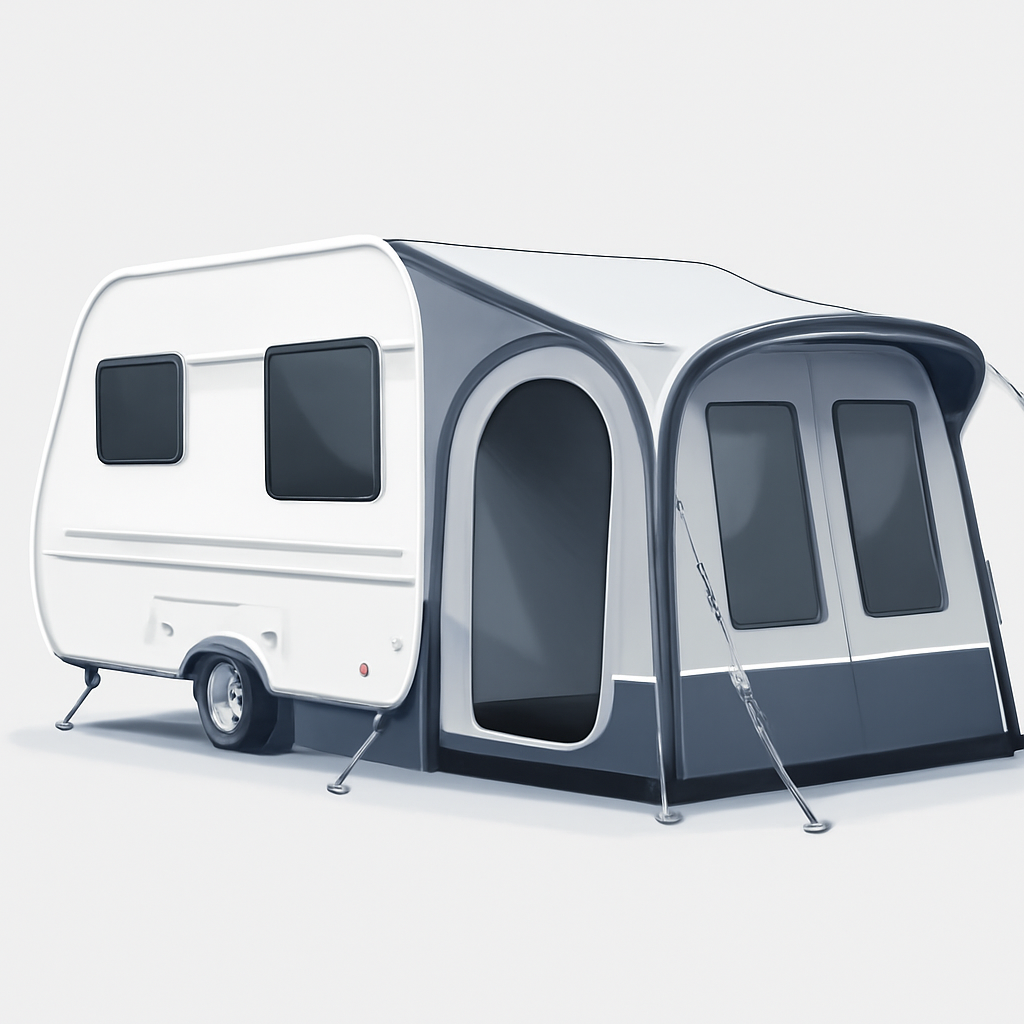
caravan extension tents unlock a seamless transition between vehicle and camp. For families and solo explorers alike, a caravan awning extension, caravan annex tent, or caravan porch extension tent creates a flexible, weather-protected living space that suits variable campsites. A well-chosen caravan outdoor living space tent expands chill-out zones, enhances cooking and dining areas, and reduces fatigue on long trips. By evaluating waterproofing, wind resistance, and setup practicality, you gain reliable shelter in rain or sun. This data-driven guide helps you compare options and tailor your choice to your caravan and travel style, without guesswork.
To maximize value, sizing must match your caravan model. The guide maps awning extension length, pitch requirements, and overlap to specific configurations, preventing overhang or gaps. It also covers waterproofing, quick setup, and durable fabrics so you select a caravan extension tent that holds up on rough weather and busy campsites. The outcome is practical, family-friendly options that fit your trips, storage space, and budget, with clear benchmarks for choosing between a caravan annex tent, porch extension tent, or a dedicated outdoor living space tent.
Why a caravan extension tent matters for camping
Expands outdoor living space for comfort on long trips
Provides weather protection and versatile shelter
Key sizing concepts for different caravans
Understand awning extension length and pitch for your caravan model
Use sizing guide to prevent overhang or gaps
How this guide uses data to improve decisions
Evaluates coverage, wind load, setup time
Delivers evidence-based recommendations for best configurations
Sizing and product options for caravan extension tent

Choosing the right caravan extension tent adds usable outdoor space without compromising stability or weather protection. Start with sizing by caravan type and footprint, then assess materials and weather resistance, followed by accessories and extension configurations. This approach helps you balance comfort, portability, and longevity across family trips or weekend getaways.
Sizing by caravan type and footprint
Use the caravan extension tent sizing guide for different caravans to pick an appropriate footprint
- Begin with the sizing guide specific to caravan extensions. Match the footprint to the caravan length, width, and the location of the awning rail. A typical approach: smaller caravans (up to 6 m) often suit a 2.5–3.0 m deep extension, while larger caravans (7 m+) benefit from 3.0–3.5 m depths. Ensure the footprint leaves at least 0.5–1 m of clearance around the sides for airflow and access.
Check compatibility with awning rails and caravan porch extension setups like caravan annex tent
- Confirm the extension tent clamps, rails, or channels line up with your caravan’s awning system. If you’re using a caravan porch extension tent, verify compatibility with porch rails or annex connectors. Height adjustments and door alignment matter for smooth entry from inside to outside, especially when you add living space.
Practical sizing example
- Example: a family of four with a 7 m caravan and a 2.2 m width can work well with a 3 m deep extension, roughly 3.0–3.2 m wide to align with the caravan and provide space for a seating zone and gear. This setup delivers a comfortable outdoor living area without crowding the caravan door.
Materials, waterproofing, and weather resistance
Look for waterproof fabrics with strong seam reinforcement and reliable zippers
- Target a hydrostatic head rating of 3000–5000 mm for dependable rain protection. Look for taped or welded seams and robust, UV-resistant fabrics. Choose zippers that run smoothly under outdoor conditions, preferably YKK or equivalent, with storm flaps to minimize leakage.
Choose from breathable fabrics and durable groundsheets suitable for rainy weather
- Prioritize breathable outer fabrics to reduce condensation, paired with a durable, puncture-resistant groundsheet. Choose materials that resist mold and mildew and are easy to rinse after damp camping sessions. A well-sealed floor and edge reinforcements protect against ground moisture and muddy campsites.
Accessories and extension configurations
Consider annex rooms to add living space or convert to a caravan annex tent setup
- Annex rooms create flexible living zones, extra sleeping areas, or a transitional entry if you’re moving between indoor and outdoor spaces. They’re especially useful for family trips or multi-night stays, enhancing the caravan outdoor living space tent setup with versatility and privacy.
Add shade sides, mesh panels, or porch extensions to customize your setup
- Shade sides control sun exposure; mesh panels improve airflow while keeping insects out; porch extensions offer weather shielding at the doorway and provide a sheltered transition area from tent to caravan. These options let you tailor comfort and ventilation to the day’s conditions.
These considerations feed into practical selection criteria for a caravan extension tent. With a clear footprint, weather-ready materials, and configurable annex options, you’ll choose a model that fits your caravan’s profile and your family’s outdoor rhythm.
Practical selection criteria for a caravan extension tent
Choosing a caravan extension tent involves balancing rain protection, ease of setup, and a secure fit to your model. The right setup adds usable outdoor living space without turning setup day into a wrestle with poles and guy lines. Use these criteria to compare options such as caravan awning extension, caravan annex tent, and caravan porch extension tent across family trips or solo adventures.
Waterproofing and weather sealing
Water protection and seam quality
- Water column ratings: Aim for at least 3000 mm for light rain and 5000 mm or more for heavier or prolonged showers. For extended wet trips or coastal climates, 6000–8000 mm provides extra assurance.
- Seam taping: Look for fully taped or welded seams, not just stitched ones. Tape should extend along all seam lines to prevent leakage at joints.
- Rainfly compatibility: Ensure the rainfly design aligns with your setup and offers full coverage over doors and vents. A well-fitted rainfly reduces pooling and keeps interior dry during downpours.
Wind resistance and build integrity
- Durable seams and sturdy zippers: Double-stitched seams with reinforced stress points reduce tear risk at wind gusts. Zippers should have storm flaps and auto-lock features to prevent snagging.
- Reinforced guy points: Check that anchor points are heavy-duty and include extra reinforcement at high-stress corners. These points should accept longer pegs or rock-tails for extra security on windy sites.
Setup speed and ease of use
Quick deployment features
- Color-coded poles and clips: Color cues speed up matching poles to sleeves, minimizing misassembly on crowded campsites.
- Quick-clip systems: Prefer instant-fit, spring-assisted clips that snap panels into place without fiddling with sleeves.
- Pre-attached guylines: Guylines already attached to the tarp or panel edges save time and reduce tangling.
Assembly simplicity
- Built-in floor pockets and modular panels: Built-in floor pockets help align the base quickly, while modular panels let you tailor the living space to your caravan’s footprint without reconfiguring every time.
Compatibility with your caravan model and accessories
Attachment method and rail compatibility
- Attachment method match: Verify the tent’s attachment system matches your caravan’s awning rail or railing setup (slotted rails, hook-and-loop adapters, or dedicated connectors). The wrong method can cause leaks or instability.
- Rail length and height compatibility: Ensure the width matches your caravan’s rail length and that the height clearance clears the roofline without rubbing or gaps.
Accessories and convenience fittings
- Required accessories: Confirm availability of extra pegs, specialist connectors, or rainwater diverters, and verify they’re readily purchasable as replacements or upgrades.
- Weight and storage considerations: Check the packed weight and how it stores when not in use—heavy extensions may affect towing dynamics and require dedicated storage space.
caravan extension tent FAQ
A caravan extension tent adds a sheltered, flexible living area to your setup. It turns the space beside your caravan into a usable outdoor room for dining, lounging, or extra sleeping space. Options range from caravan awning extensions to caravan annex tents and porch extensions, expanding capacity without a full upgrade. For families, the best caravan extension tent for family trips provides extra space and flexibility.
What is a caravan extension tent?
A caravan extension tent attaches to the caravan’s awning rail or side panel to create an extra room or canopy. It’s often called a caravan awning extension, annex tent, or porch extension tent. Key features include waterproof fabric, zip doors, mesh panels, and a groundsheet for rain protection. For rainy weather, check sealed seams and a robust waterproof coating; for family trips, look for an extra room and independent access.
How to size for my caravan?
If you’re wondering how to choose a caravan extension tent for camping, prioritize fit, weatherproofing, and ease of setup. Start with the awning rail length and the caravan width. Common depths are 1.5–2.5m. Use a sizing guide to confirm compatibility for your caravan.
How to set up a caravan extension tent quickly?
Unpack and lay out on level ground. Attach to the awning rail, raise the frame, and insert poles or beams. Stake corners, tension lines, and zip doors. Do a quick dry run to verify alignment before use.
Conclusion and next steps
A caravan extension tent adds valuable, weatherproof living space to your camping setup, especially for family trips. With the right sizing, strong waterproofing, and a focus on quick setup, you can expand your mobile home into a comfortable, outdoor-friendly living area. Use these conclusions to narrow options and move toward a purchase with confidence.
Key takeaways for choosing a caravan extension tent
- Follow the sizing guidance for different caravan types to avoid mismatches. Typical pairings:
– Small caravans (6–7m): 6x3m or 7x3m extensions work well.
– Mid-size caravans (7–8m): 7x3m to 8x4m extensions balance space and weight.
– Large caravans (8–9m+): 8x4m or 9x4m annex tents maximize comfort and flow.
– Consider an annex or porch extension if you want dedicated sleeping or mudroom space in wet weather.
– Ensure the extension height matches your caravan awning rail height for a clean seal.
- Prioritize waterproofing, durability, and ease of set-up for family trips.
– #### Waterproofing specifics: look for 3000–5000 mm hydrostatic head, tape-sealed seams, UV-stable fabrics, and robust rainfly designs.
– #### Durability cues: double-stitched seams, heavy-duty zips, reinforced corners, and ripstop panels prolong life in rough campsites.
– #### Setup efficiency: color-coded poles, pre-attached guy lines, and quick-connect fittings reduce time and effort on arrival.
- Consider the full outdoor living space approach: caravan outdoor living space tents and caravan awning extensions can be combined for a seamless, expandable footprint.
A simple decision checklist for buyers
- Confirm compatibility with your caravan and existing awning extension.
– #### Compatibility checks: verify rail type (straight vs curved), attachment hardware, and the extension’s width to align with your caravan’s footprint.
- Assess family needs and plan for annex or porch extensions as needed.
– #### Family needs: number of sleepers, privacy requirements, and whether a dedicated kids’ annex or a porch area is desirable.
- Weigh weather resilience and storage logistics.
– #### Weather readiness: check waterproof rating, wind resistance, and ease of drying and packing.
– #### Storage and transport: bag size, weight, and whether the tent fits alongside other gear in your tow vehicle.
Maintenance and future-proofing your setup
- Inspect seams and zippers seasonally and store correctly when not in use.
– #### Seasonal inspection schedule: check in spring and autumn for wear, seam integrity, zipper operation, and peg conditions.
- Store correctly when not in use; keep fabrics dry and ventilated.
– #### Storage tips: dry thoroughly, fold neatly, use a breathable bag, and shield from prolonged sun exposure.
- Plan for upgrades like caravan annex tents or additional outdoor living space tent modules.
– #### Upgrade paths: attach a dedicated annex for extra bedrooms, add porch modules for weather protection, or expand with modular living space units for growing families.