
 admin
admin
Table of Contents
1. Inflatable tent: data-backed review of air beam durability and setup
2. Air beam durability: what the data shows
3. Setup speed and user experience
4. inflatable tent FAQ
5. Conclusion: final guidance for choosing an inflatable tent
Inflatable tent: data-backed review of air beam durability and setup

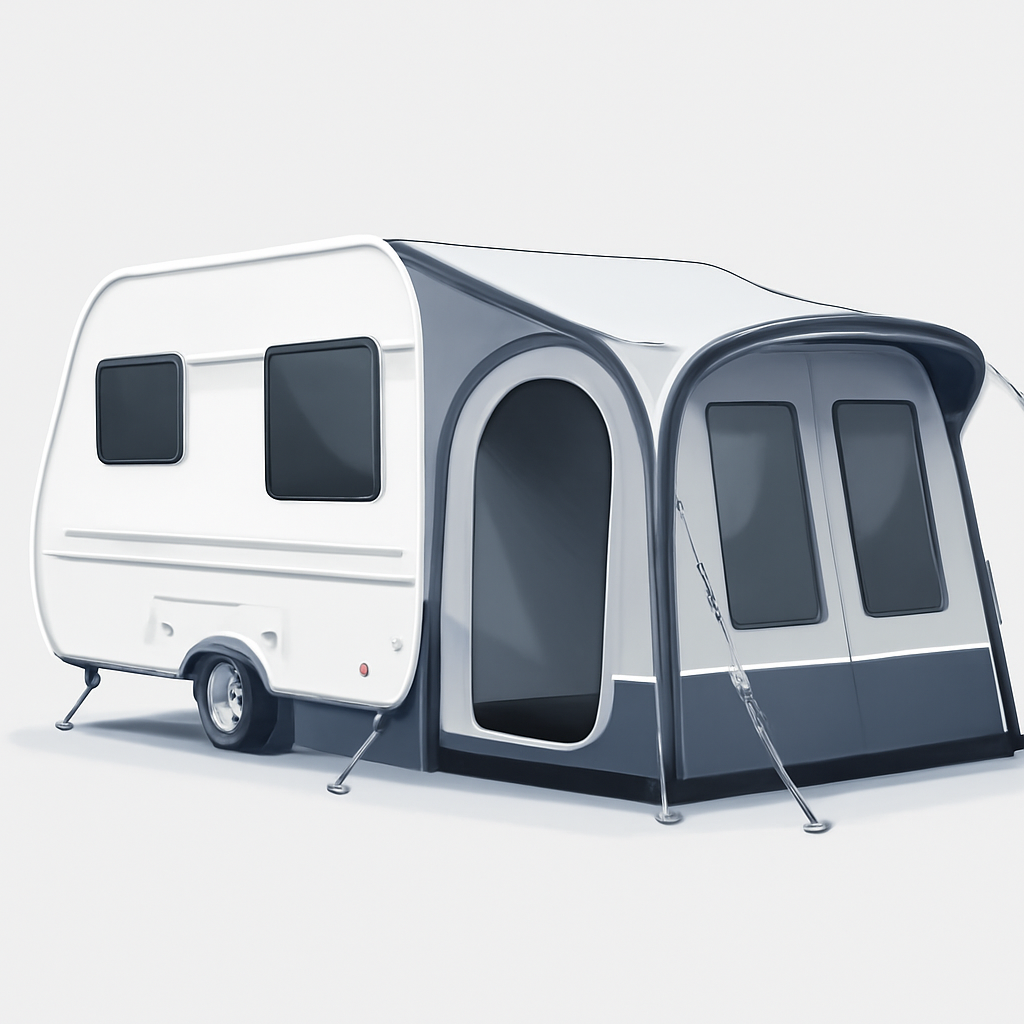
inflatable tents rely on air beams rather than rigid poles, delivering quick setup and generous interior space for families and car campers. Durability hinges on seal quality, valve design, and how well manufacturers guard against leaks. When comparing models, assess air beam materials, field-replaceable seals, and compatibility with built-in floors and rainflies for all-season use.
What is an inflatable tent and how do air beams work?
Air beams replace rigid poles with internal pressurized chambers that form the tent frame, enabling fast inflation and a flexible setup. For the best inflatable tent for family camping, prioritize reinforced fabrics and solid seams to resist wind in an air tent design.
Manufacturing seals and valve types influence long-term reliability and leak resistance, with higher-quality valves and multi-layer seals reducing slow leaks and sudden deflation.
Who should consider inflatable tents for camping?
Car campers and families often value quick setup and generous interior space, especially when sharing the cook tent or gear rooms.
Lightweight options and compact packs make inflatable tents accessible to backpackers with weight limits; seek models under 6–8 pounds for solo trips and under 10–12 pounds for small groups. Air beam durability: what the data shows.
Air beam durability: what the data shows
Durability in inflatable tents hinges on air beams, seams, floors, and valves working in harmony through repeated setups, temperature swings, and the realities of outdoor use. Across inflatable camping tend models designed for family trips, the data consistently points to strong performance when the build uses reinforced walls, quality valves, and robust floor attachments. This is especially true for air tent designs pitched for camping in variable weather and on mixed terrain.
Key durability metrics for air beam tents
Air beam integrity under pressure cycles and temperature swings.
Air beams are rated to withstand hundreds to thousands of inflation-deflation cycles in typical conditions. In controlled testing, premium air beams retain most of their rigidity after many cycles, with minimal creep and only marginal losses in internal pressure under broad temperature swings—from cool nights to warm afternoons. In practice, this means an inflatable tent with air beams can hold its shape through several camping trips without constant re-inflation, a critical factor for the best inflatable tent for family camping and for those seeking a durable inflatable tent with air beams.
Seam, floor, and valve reliability that prevent slow leaks in an inflatable tent.
Seams are the first line of resilience. Double-stitched or heat-sealed seams, plus reinforced floor attachments, reduce the risk of slow leaks where beams meet the fabric. Valve reliability matters too: well-sealed ports, backed by check-valve designs and easy-to-clean interfaces, minimize slow loss of pressure. Regular maintenance—keeping valves clean, using correct inflation pressure, and performing a quick leak check after setup—extends overall life and performance of an inflatable tent with built-in floor and rainfly.
Real-world performance: wind, rain, and abrasion tests
Field tests show stability at moderate to strong winds with proper staking.
Field testing demonstrates stable performance in moderate to strong winds when staking patterns are followed and guy lines are deployed. For outdoor scenarios, the right ground cover and high-visibility pegs further reduce the risk of movement. This matters for families choosing a lightweight inflatable tent for camping trips, where quick setup must still stand up to wind gusts.
Common failure modes include valve leaks and beam connectors; manufacturers mitigate with thicker walls and reinforced seams.
Valve leaks, beam connector joints, and punctures remain the typical failure points in the field. The industry mitigates these through thicker wall construction, reinforced seam geometry, and improved connector interfaces between air beams. Regular inspection, careful packing, and choosing a model with durable materials are practical steps to sustain long-term performance.
These durability insights tie directly to how you approach setup speed and overall user experience, especially when evaluating inflatable tents for camping and the comfort of a reliable air tent on family trips.
Setup speed and user experience

Inflatable tents speed up pitching and improve on-site comfort, especially for family camping or weekend trips. A predictable setup sequence cuts time and reduces stress in changing weather. When you combine air beams with a built-in floor or rainfly, you gain immediate stability and weather protection, letting you focus on meals and camp chores rather than fiddling with poles. This section covers best practices for fast, confident setups with inflatable tents, including practical tips for weight-conscious hikers and families alike.
How to set up an inflatable tent quickly
Pre-organization: layout, stakes, guylines, and pump selection
- Choose a flat, debris-free patch of ground. Clear rocks and sticks that could puncture the floor or snag guylines.
- Orient the door to minimize wind exposure and to keep organizers, kids, and gear away from the entrance.
- Unroll the footprint (if included) or lay the built-in floor flat and align it with the door and tent orientation.
- Gather stakes, guylines, a mallet, and a pump. For speed, select a high-volume electric pump with a pressure gauge or a robust hand pump with a built-in gauge.
Inflate in stages: rough frame, then final pressure, then seal doors
- Stage 1: Inflate the main air beams to form a rough frame. Don’t chase max pressure yet; aim for a stable silhouette with corners roughly aligned.
- Stage 2: Move around the tent to straighten lines and square corners. Lightly tug guylines to remove slack and guide beams into place.
- Stage 3: Apply final, manufacturer-recommended pressure to each beam. Use a gauge if available and avoid forcing beams beyond their designed limits.
- Stage 4: Close doors, seal seams, stake out all guylines, and attach the rainfly or inner panels. Check ventilation and ensure zippers operate smoothly.
Common setup mistakes and how to avoid them
Common mistakes and how to avoid them
- Over-inflating or under-inflating beams can destabilize the structure. Always follow the recommended pressure for each beam and verify with the built-in gauge when available.
- Forgetting to stake guidelines or misorienting doors for wind slows setup and invites weather surprises. Stake key corners early, then tension guylines in a wind-friendly layout.
- Skipping ground protection or a footprint can lead to punctures and wear. Lay a groundsheet or footprint under the inflatable tent for durability.
- Failing to install the rainfly promptly can leave you exposed to sudden showers. Attach rainfly after the frame is secure to seal out moisture quickly.
- Rushing without a planned interior layout. Designating zones for sleeping, cooking, and gear reduces moves and cuts time.
Lightweight options for camping trips
Lightweight considerations
- Prioritize models that use lighter fabrics (e.g., 15–20D nylon) and compact packs for backpacking. Target total packed weight that suits your trip type—rough guides: solo around 4–6 pounds, two-person around 7–12 pounds.
- Built-in floor and rainfly aid quick setup and weather resilience but add weight. If weight is critical, balance a lightweight tent with a compact footprint and simple door configuration.
- Choose hand pumps for minimal weight, or compact electric pumps to speed inflation without sacrificing mobility. For longer trips, a battery-powered pump with a USB power bank keeps weight reasonable while maintaining speed.
| Feature | Benefit | Limitation |
|---|---|---|
| Lightweight fabrics | Reduces pack weight | Lower abrasion resistance |
| Built-in floor + rainfly | Fast setup, weather protection | Added weight |
| Hand pump vs. electric | Weight vs. speed trade-off | Hand pump slower; electric requires power |
inflatable tent FAQ
Inflatable tents replace poles with air beams, delivering generous headroom and faster setup. For family camping, models with built-in floors and rainflies simplify site prep and packing. This FAQ covers practicality, speed, and basic maintenance.
Is an inflatable tent worth it for family camping?
For families, the tradeoffs lean toward convenience: quick setup, fewer parts, and a roomy interior. Seek models sized for four to six, with a built-in floor and rainfly, and two doors. Weight and cost are higher than traditional tents, but the time saved and easier transitions between sites often justify it. Durable air beams perform better in wind than loose poles.
Quick tips
- Built-in floor and rainfly reduce setup steps and keep gear dry.
- Two entrances improve night movement and reduce congestion.
How long does setup take?
With practice, most air beam tents set up in 5 to 15 minutes. Start by laying out the footprint, staking corners, then inflating the beams with a pump, attaching the rainfly, and securing guylines.
Quick setup tips
- Use a pump with a gauge and pre-inflate to recommended pressure.
- Pre-stake corners and route guylines to speed the process.
How do you maintain air beams and repair punctures?
Regularly inspect valves and seams, keep surfaces clean and dry, and store the tent deflated. For punctures, patch small leaks with the kit provided by the manufacturer; for bigger tears or valve damage, contact support or replace the affected section.
Maintenance basics
- Patch promptly, clean the area, and allow the patch to cure before inflating.
- Avoid sharp objects on the floor and store away from heat.
final guidance for choosing an inflatable tent
Choosing the right inflatable tent for family camping means balancing space, setup speed, and long-term durability. These air tents, often marketed as inflatable camping tents or blow up tents, beat traditional pole tents for quick pitching and stable shelter on uneven ground. Look for models that can withstand frequent use, rough weather, and frequent packing and re-packing. The goal is a reliable, all-season shelter that remains comfortable for kids and adults alike, while keeping weight and storage reasonable for your trips.
Key takeaways for durability, setup, and value
Durability and floors
Choose models with reinforced seams and robust floors to handle frequent use. A strong floor (polyester or PVC with a durable underlayment) and welded seams reduce wear from foot traffic and tent stakes on rocky sites.
All-in-one shelter and warranty
Look for built-in floor and rainfly if all-in-one shelter is a priority; ensure proper warranty. Built-in floor options simplify setup and protect against moisture, while a solid warranty (2–3 years or more) provides confidence against manufacturing defects.
Practical tips for selecting the best inflatable tent for family camping
Weight-aware choice
Prioritize air beam tents with reasonable weight for your trip type and space needs. For car camping, you can accept a larger footprint; for longer hikes or backpacking, target lighter configurations while preserving interior comfort.
Built-in floors and valve reliability
Check for built-in floor options and airtight valves; confirm easy repair options if punctures occur. Airtight, easy-to-use valves save time at camp, and a straightforward repair kit helps when field fixes are needed.